

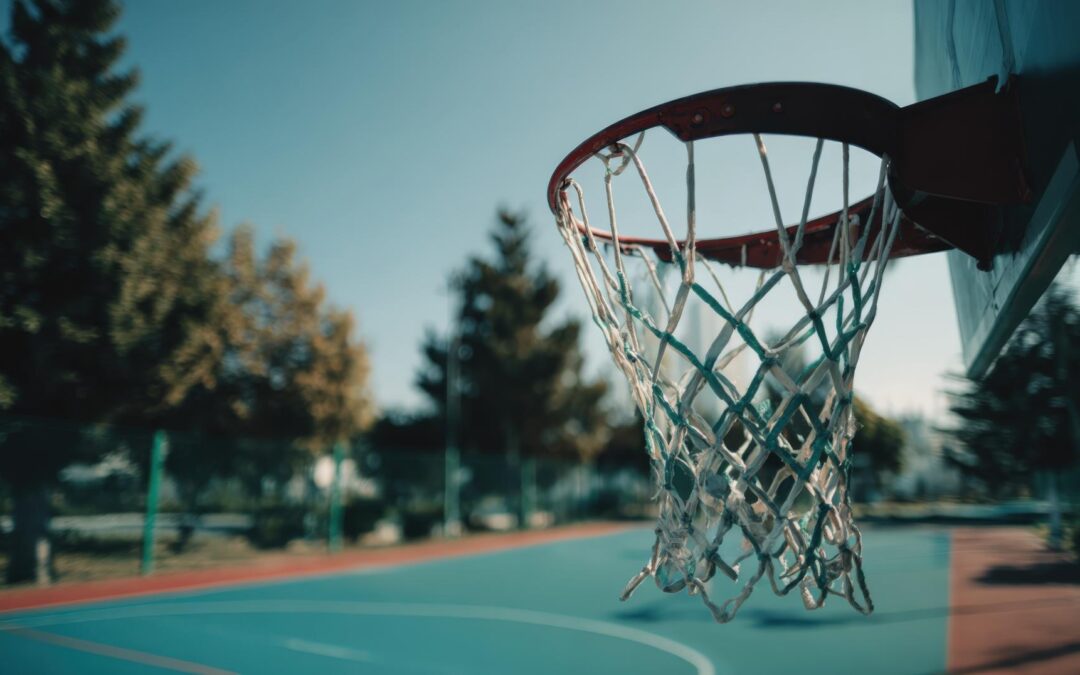
A backyard (or facility) upgrade that feels premium every day—not just on opening weekend
Denver families and facility managers love the idea of a multi-sport court because it instantly adds “always-ready” recreation: basketball after work, pickleball on weekends, futsal with the kids, and quick training sessions that don’t require a drive across town. The surface you choose is the difference between a court that stays fun (and safe) year-round and one that turns into a maintenance project. Below is a clear, Colorado-specific guide to selecting the right court surface—especially if you’re searching for multi-sport game courts in Colorado and want a solution built for real Denver conditions.
What makes a great multi-sport court surface in Colorado?
In Colorado’s Front Range, surfaces take a beating from sun, temperature swings, and seasonal moisture. A court can look perfect on install day and still underperform if the material can’t handle the combination of UV exposure, freeze–thaw cycles, and frequent “use it whenever it’s nice” play patterns. A high-performing multi-sport court surface should deliver:
Non-negotiables for Denver-area courts
Consistent traction (dry, dusty, and after a quick spring shower)
Comfort underfoot to reduce fatigue during long games
Drainage to limit puddles and speed up “back in play” time
Durability that resists cracking and surface breakdown
Serviceability (easy repairs without resurfacing the entire court)
Customization (colors, lines, logos, and multi-sport layouts)
Why modular sport surfacing is a strong fit for Colorado homes and facilities
For many Denver installations, modular, interlocking sport tiles are popular because they’re engineered to be forgiving and practical: the court is built from individual panels that lock together, often with built-in structure to help with shock absorption and water movement. Many systems are designed to allow water to drain through the surface rather than sitting on top, which is a big deal when you’re trying to maximize usable days. Some modular systems also use understructure cushioning features for a softer feel and better energy return compared to hard slab play. (For example, SnapSports highlights features like shock absorption technologies and modular court designs intended for multi-sport use.)
When modular tiles shine
You want multi-sport lines (basketball + pickleball + volleyball) without repainting every season.
You expect high family traffic and want a surface that feels “nice” on joints.
You value repairability—swap a tile if one gets damaged.
You want fast, clean installs with minimal disruption.
Did you know?
Less downtime after storms: Many perforated modular sport surfaces are designed so water can drain through the tile field, helping reduce puddling and shortening the “wait time” before play.
Seams matter for play: Larger-format modular tiles can reduce seam count versus smaller tile grids, which may improve ball response and overall court feel. Colorado sun is intense: High altitude increases UV exposure and can accelerate wear on certain outdoor materials—another reason to prioritize surface quality and a plan for seasonal checks.
Court surface options: quick comparison for Colorado projects
Most multi-sport court builds in Denver start with a stable base (often concrete or asphalt) and then add the playing surface. Here’s a practical comparison to help you decide what fits your space, your goals, and your tolerance for maintenance.
| Surface Type | Best For | Colorado Considerations | Maintenance Style |
|---|---|---|---|
| Modular sport tiles | Multi-sport families, HOAs, schools, gyms, rec spaces | Drainage-friendly designs can help after rain/snowmelt; cushioned understructure options can improve comfort vs. hard slab play. | Sweep/blow debris; spot-clean; replace individual tiles if needed |
| Acrylic sport coating (over asphalt/concrete) | Tennis-focused courts; budget-conscious projects | Base cracking can telegraph through; freeze–thaw and UV can accelerate wear depending on base condition and upkeep. (Base quality becomes critical.) | Periodic recoating; crack repair; cleaning |
| Bare concrete/asphalt | Utility play area; light casual use | Hard on joints; surface can develop cracks; UV and temperature swings can speed surface aging over time. | Crack control, sealing/patching, regular cleaning |
A Denver-friendly planning checklist (before you pick colors or logos)
1) Decide your sport mix: basketball + pickleball is common; volleyball and futsal are great add-ons for families and schools.
2) Confirm your base: modular tiles perform best on a stable, properly prepared base (grade, drainage, and flatness matter).
3) Plan drainage like it’s a feature: even with a draining tile, water still needs a route away from the court footprint.
4) Prioritize comfort and safety: if this is for frequent play, look for shock-absorption design elements rather than relying on “we’ll just wear better shoes.”
5) Think serviceability: a system where you can replace sections is a practical win for busy households and facilities.
Local angle: designing courts for Denver’s altitude, sun, and seasonal swings
Denver’s elevation is part of what makes outdoor living so appealing—but it also changes how outdoor materials age. Higher UV exposure can accelerate fading and surface breakdown on some finishes, and temperature fluctuations can challenge traditional paved surfaces over time. Planning a multi-sport court in Denver often means choosing materials and installation methods that are realistic about Colorado’s environment, then pairing that choice with a simple “check-and-clean” routine a few times per year.
Pro tip for Denver yards
If your court will sit near trees, plan for easy debris management. Leaves and spring pollen can reduce traction on any surface. A quick sweep or blower routine is one of the simplest ways to keep play quality high.
Explore court options with Rainbow Play Systems
Rainbow Play Systems (Swing Sets Colorado) helps Denver-area homeowners and organizations plan, design, and install court solutions that fit real life—busy schedules, multi-sport households, and spaces that need to look good and perform reliably.
Residential courts
For backyards that need flexible lines, family-friendly play, and a clean finished look.
Commercial courts
For schools, community centers, and facilities needing durable layouts and consistent performance.
Want the big-picture overview first? Start here: Indoor & Outdoor Court Surfacing.
Ready to plan your multi-sport court in Denver?
If you want help choosing a layout, figuring out the right surface for your site, or planning a court that looks sharp while staying practical in Colorado weather, our team can walk you through options and next steps.
Tip: For faster recommendations, note your available space dimensions, the sports you want to play, and whether your court will be indoor or outdoor.
FAQ: Multi-sport game courts in Colorado
Glossary (quick, plain-English)
Modular sport tiles: Interlocking floor panels that create a “floating” sport surface over a prepared base.
Floating installation: A surface method that isn’t permanently bonded across the entire base, allowing small movement and easier repair.
Shock absorption / understructure cushioning: Design features beneath the tile surface intended to reduce impact forces and improve comfort.
Drain-through design: A perforated/engineered surface pattern that allows water to pass through the tile field instead of pooling on top.
Freeze–thaw cycle: Repeated freezing and thawing that can expand moisture in cracks and contribute to surface damage over time.