

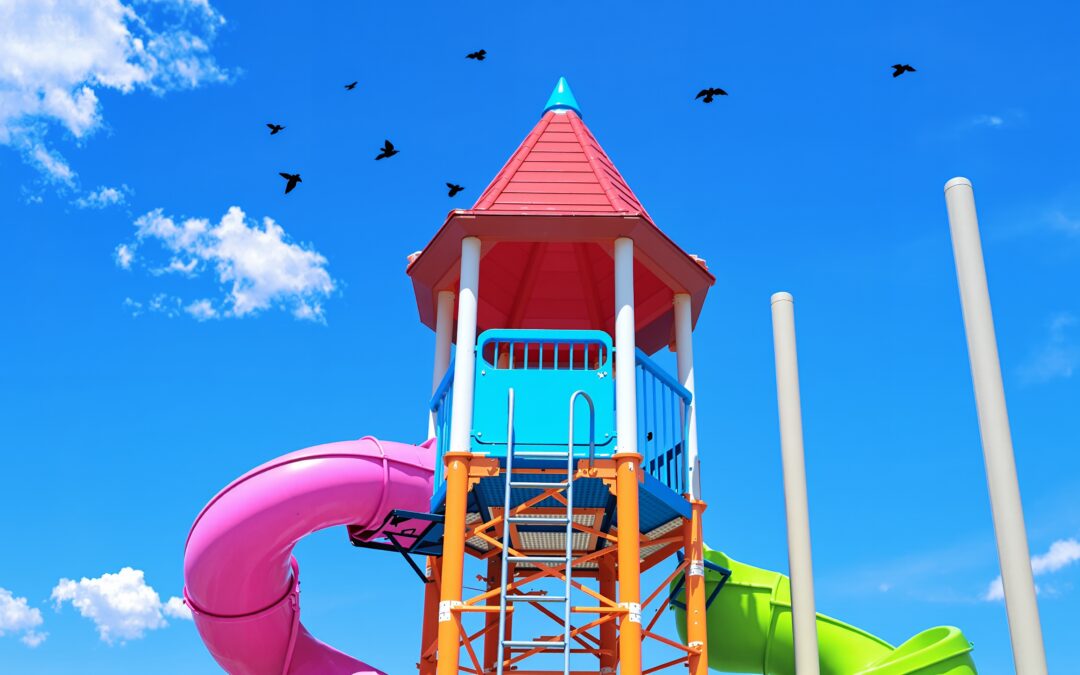
Playgrounds play a vital role in Denver communities, supporting physical activity, social interaction, and childhood development. From schools and parks to HOAs and churches, commercial playgrounds must balance fun with safety. As we move into 2026, expectations around playground safety standards and ADA playground compliance are higher than ever, and Denver organizations are under increasing pressure to meet them.
This guide explains how commercial playground safety standards apply in Denver, CO, what regulations schools and HOAs need to understand, and how working with a trusted local provider like Rainbow Swingsets can help ensure long-term compliance and peace of mind.
Why Playground Safety Standards Matter for Denver Properties
Commercial playgrounds are designed for frequent, high-volume use. Because of this, safety standards are stricter than those for residential playsets. In Denver, non-compliance can result in injuries, insurance complications, legal exposure, or forced closures.
Playground safety standards exist to protect children while also safeguarding property owners and administrators. They reduce injury risks, support inclusive play, and demonstrate responsible facility management. As Denver continues to invest in public infrastructure and community spaces, playground inspections and safety audits are becoming more common.
The Safety Standards That Govern Commercial Playgrounds in Denver
Denver playgrounds are regulated through a combination of national standards and local enforcement practices. While Colorado does not issue a single playground code, most inspectors and insurers rely on the same core frameworks.
ASTM standards address how playground equipment and surfacing are designed, installed, and maintained. These standards focus on fall heights, material durability, spacing, and structural integrity.
The U.S. Consumer Product Safety Commission provides Public Playground Safety Guidelines that address common causes of injury. These guidelines influence how guardrails, barriers, and equipment layouts are evaluated.
ADA playground compliance ensures playgrounds are accessible to children with disabilities. This is especially important for schools, parks, and HOAs that serve the public. ADA requirements focus on accessible routes, inclusive play components, and equal access throughout the play space.
How Denver Applies Playground Safety Standards Locally
In Denver, playground compliance often intersects with local building codes, school district policies, and parks department requirements. Permits may be required for new playground installations or major renovations. Some facilities must also pass periodic safety inspections tied to insurance or municipal oversight.
Local climate conditions also play a role. Snow, ice, and freeze-thaw cycles affect surfacing performance and equipment longevity. Denver playground owners benefit from working with providers who understand how national safety standards apply under Colorado conditions.
Rainbow Swingsets has extensive experience helping Denver-area schools and HOAs navigate these local considerations while meeting all applicable safety requirements.
Most Common Playground Safety Issues Found During Inspections
Before diving into ADA compliance and inspections, it helps to understand where playgrounds most often fall short. Many safety issues develop gradually and go unnoticed without routine evaluations.
Common compliance challenges include:
- Insufficient impact-absorbing surfacing beneath elevated equipment
- Compacted or displaced mulch that no longer meets fall protection standards
- Improper spacing between swings, slides, and climbing structures
- Missing or damaged guardrails and barriers
- Aging equipment that no longer meets current safety guidelines
Addressing these issues early can significantly reduce injury risk and avoid costly corrective work.
Surfacing and Fall Protection Requirements
Surfacing is one of the most important elements of commercial playground safety. Falls remain the leading cause of playground injuries, making proper surfacing essential for compliance.
Approved commercial playground surfacing options include engineered wood fiber, poured-in-place rubber, rubber tiles, and playground-rated synthetic turf. Each option must meet specific impact attenuation requirements based on equipment fall height.
In Denver, weather resilience and maintenance demands should factor into surfacing selection. Rainbow Swingsets helps clients choose surfacing solutions that balance safety, accessibility, durability, and long-term value.
ADA Playground Compliance and Inclusive Play
ADA playground compliance ensures children of all abilities can participate in play. Beyond meeting legal requirements, inclusive playground design strengthens community engagement and reflects modern expectations for public spaces.
Accessible playgrounds typically include smooth routes into and through the play area, ground-level play features, ramps or transfer systems, and sensory-rich components. Denver organizations that plan for accessibility from the start are more likely to meet compliance requirements without expensive retrofits.
Your Top Denver Playground Safety Questions Answered
How often should commercial playgrounds in Denver be inspected?
Most facilities perform visual inspections weekly and schedule comprehensive inspections annually or semi-annually. High-use playgrounds may require more frequent checks.
Are older playgrounds automatically out of compliance?
Not necessarily. However, older playgrounds often lack modern safety features or ADA-accessible elements. A professional audit can determine what updates are needed.
Does ADA playground compliance apply to HOAs?
Yes, if the playground is accessible to residents and guests, ADA standards may apply. HOAs are increasingly expected to meet accessibility guidelines.
Who is responsible if a child is injured on a playground?
Responsibility typically falls on the property owner or managing entity if negligence, poor maintenance, or non-compliance is found.
Can existing playgrounds be upgraded instead of replaced?
In many cases, yes. Adding compliant surfacing, replacing outdated components, or improving accessibility can bring older playgrounds into compliance.
Key Takeaways for Denver Schools and HOAs
- Commercial playground safety standards protect children and reduce liability
- Denver playgrounds rely on ASTM, CPSC, and ADA guidelines
- Surfacing and spacing issues are the most common compliance failures
- ADA playground compliance is essential for public and shared-use spaces
- Partnering with an experienced local provider simplifies compliance
Commercial Playground Safety Support in Denver, CO
Staying compliant with commercial playground safety standards does not have to be complicated. Rainbow Swingsets proudly serves schools, HOAs, churches, and municipalities throughout Denver, CO with expert playground design, installation, and compliance guidance. Whether you are planning a new playground or evaluating an existing one, our team can help you move forward with confidence. Call Rainbow Swingsets in Denver today at (303) 292-0206 to schedule a consultation and take the next step toward a safer, more accessible playground.